Dustin: Hello everyone! We have one of our first interviews today with Christina Cat. Christina is a dear friend of mine and also my attorney. However, her claim to fame is not just as an attorney, but as an entrepreneur and realtor as well.
Kat: Yes, that's correct.
Dustin: You do so many things. Am I missing anything fun?
Kat: I do acting too, but that's more of a hobby.
Dustin: Acting! I forgot that one. Kat is with us today to focus on her organic product. I'd like to start with the business side. What values guide the way you run your business or lead your team?
Kat: Integrity is number one. That's just how I live my life now. Three years ago, I learned what it really meant: when your thoughts and feelings align with your actions and words. Also, creativity and honesty. I want to have fun and create things while doing this.
Dustin: It's great to see how efficient things are when those three are aligned. People feel that integrity and they want to work with you.
Kat: Absolutely. It's all about connecting with people. It's not just about selling something; it's about getting to know the person and developing a relationship. It's a collaboration for mutual benefit.
Dustin: That's a perfect segue. What are your non-negotiables in how you treat clients, partners, or employees?
Kat: The big one is that I don't make promises I can't keep. I would rather under-promise and over-deliver. I'd rather set expectations low and then provide an amazing bonus if things go better than expected.
Dustin: Love that. Can you introduce your business to us?
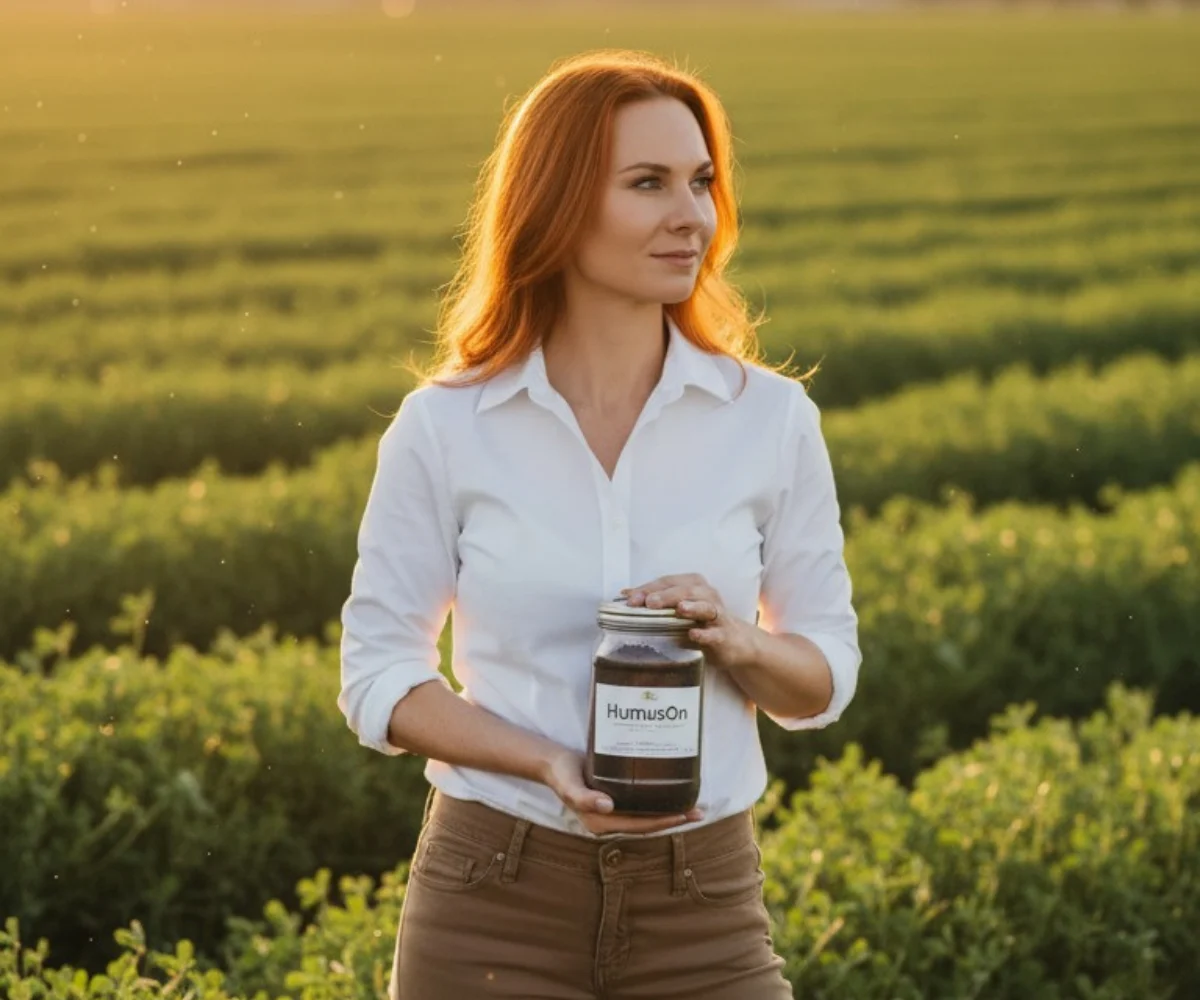
Kat: The company is Sapropel Organics USA. "Sapropel" is an actual word for a freshwater lake sediment. That is the name of our source material. The name of the product is HumusOn. It comes from "humus," which is the most fertile part of the soil. So, "HumusOn", putting humus on the soil.
Dustin: What inspired you to start this business?
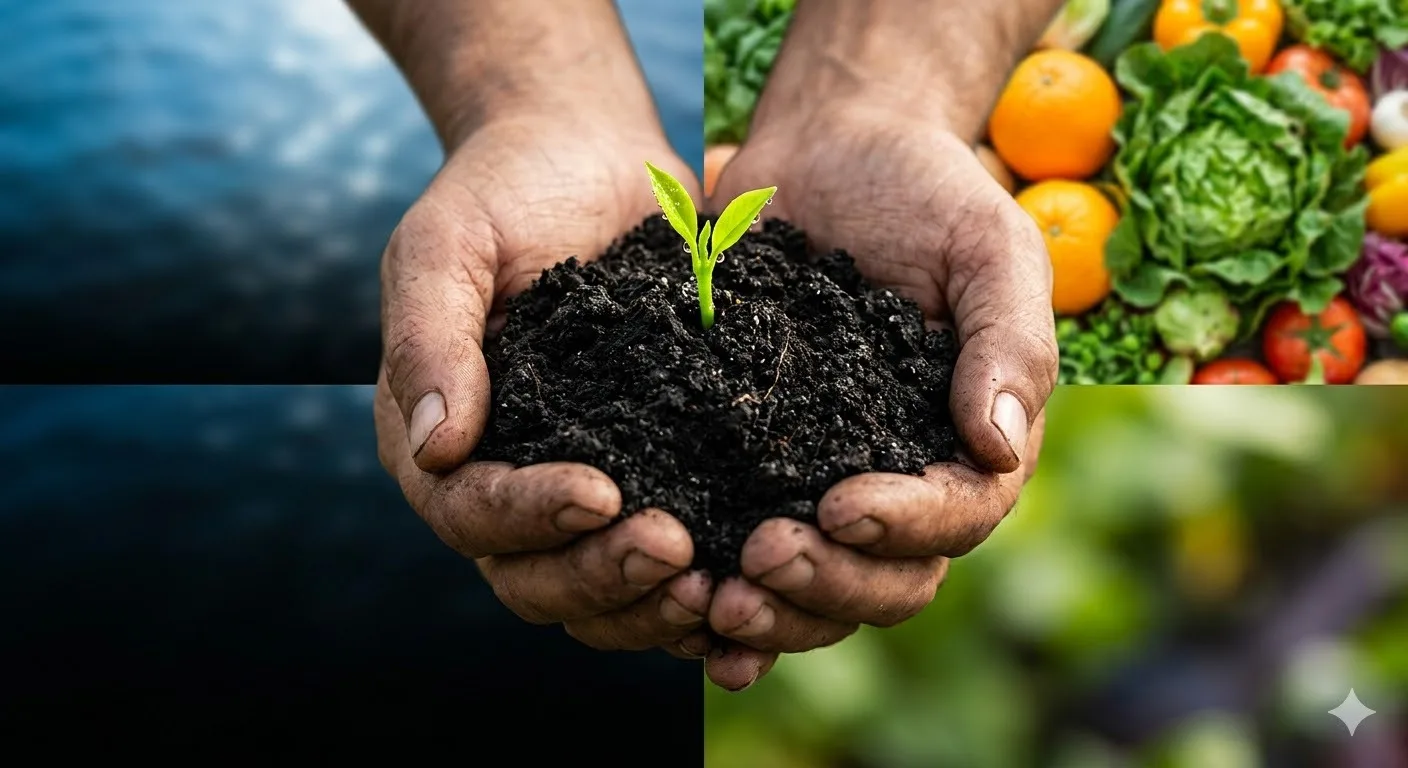
Kat: I wanted to do something meaningful. I was talking to my cousin in Lithuania who is involved in the international parent company. They discovered that sapropel, which they mine from the bottom of dead lakes, is fifteen times more nutritious than the most fertile part of the soil. By taking the material out, it brings oxygen back to the lake and revives the ecosystem. I am from Lithuania, so it was very meaningful for me to bring a part of my soil to this soil. Essentially, I'm helping soil regeneration. Soils everywhere are depleted and farmers are dumping chemical fertilizers on them. The point of this product is to help the soil and help farmers reduce chemicals while getting higher yields.
Dustin: I'm big into "Mind, Body, and Soul," and on the body side, we simply aren't getting the nutrients we need. Those nutrients are fundamentally required for a happy life. Zach Bush has done some wonderful research on the connection between soil, nutrients, and body function. What specific need or gap are you addressing?
Kat: Soil health is directly connected to gut health. Humic acids are the main ingredient in this product, and that is exactly what Zach Bush gives people to take as a supplement. If you fertilize the soil correctly, it translates into more nutritious fruits and vegetables. Organic fertilizers are usually extremely expensive, but this product is effectively conventional pricing for an organic product that is more effective than the conventional ones.
Dustin: How has your mission or purpose evolved over time?
Kat: The mission hasn't changed; I still want to fertilize the soil the right way. But the goals have evolved because I've added a consumer line. It's not just for commercial farmers anymore; we are starting a retail line on Amazon and eventually in big-box stores like Home Depot and Lowe's for home gardeners.
Dustin: That's exciting, especially with the push for backyard gardening and localizing food supplies. What does a typical customer experience look like for your company?
Kat: Right now, we deal mostly direct-to-farmer. It's about connecting with them to understand how they grow and what chemicals they currently use. We support them and provide assistance. Usually, they start with a smaller trial size, maybe 20 acres, so they can compare our results side-by-side with their current methods. It's pretty obvious to the naked eye that the stuff works. We stay in constant communication regarding application and how the plants are doing.
Dustin: That's essentially AB testing for soil. I know you are frequently in the car driving to Yuma or California to physically be in the field with these farmers.
Kat: Absolutely.
Dustin: In this growth cycle, how do you choose partners or collaborators?
Kat: The first one I chose was Shannon, a commercial alfalfa farmer here in Arizona. I'm not a farmer, so I wanted to understand the farmer's mentality and what they actually need. For sales people, I look for integrity. They have to be inspired and actually believe in the mission, rather than just selling to make money.
Dustin: In what ways do you feel responsible to your community?
Kat: By providing this product, I feel I'm doing something positive for soil and gut health. I also participate in community events like "Plant a Tree." We gather together to clean up alleys and plant trees in Phoenix neighborhoods. I donate the product to help those trees grow better.
Dustin: How do you hope your presence impacts the people around you?
Kat: I want to inspire people and show up authentically. When you show up with honesty, you really connect with people. I just want real, authentic relationships around me.
Dustin: What difficult moment ultimately strengthened your business or leadership?
Kat: There was a big watermelon account I was trying to get. The first trial had a 40% yield increase, which was amazing. They wanted to do another trial before committing, but the second one didn't go well. I dug deeper and found out that because of supply and demand issues, they hadn't actually finished harvesting the field, they just left them there. We never actually got the true results. I kept following up and didn't let it go, and now I have a meeting with their master grower.
Dustin: How do you stay grounded during that kind of uncertainty?
Kat: I have a vision board where I write my mission and goals. I also journal and have an amazing community support system. When I'm down, taking action is what gets me back up.
Dustin: What is your vision for the next three to five years?
Kat: I want to expand into other states and get our consumer line into those big-box retail stores.
Dustin: What is a belief or mantra that gets you through the hard days?
Kat: It's a simple one: "Every day, and in every way, I'm getting better and better." Even if there is a setback, you are still growing and learning.
Dustin: Finally, finish this sentence: "At the end of the day, my business exists to..."
Kat: "...restore the soils." It's just that simple.
Dustin: It's amazing to see the difference between what our grandparents ate and what we eat today. I'm excited that you're at the front of this movement.
Kat: They did a study on oranges. Oranges grown with regenerative organic practices had something like 15 times more Vitamin C and nutrients than conventionally grown oranges. It's real and it's documented.
Dustin: Kat, thank you so much for your time and happy New Year.
Kat: Thank you so much, Dustin. Happy New Year.